


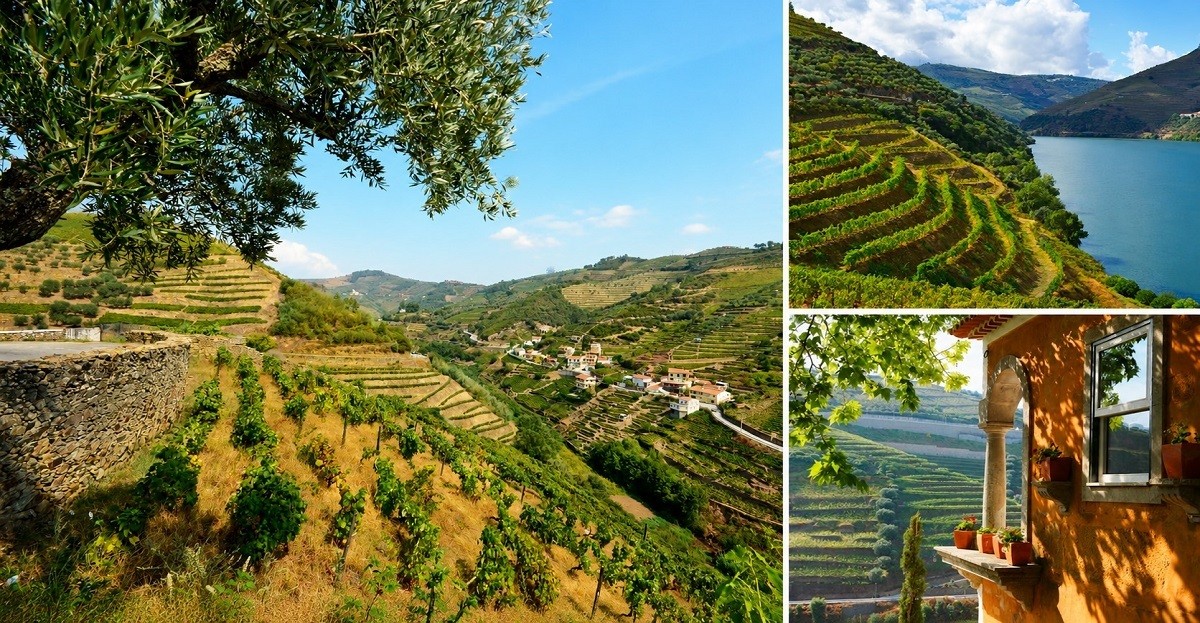
Some properties are bought to live in. Others are bought to invest in. And then there are a rarer few that seem to bring both dimensions together: they offer a home, a landscape and, potentially, a path to income. Portuguese vineyard estates belong to that special category of properties that cannot be assessed merely by square metres, number of bedrooms or energy efficiency. All of that matters, of course. But so do the vines, the water supply, the sun exposure, the condition of the walls, the access roads, the wine cellar, the history of the house, the name of the region and, above all, the possibility of turning a property into a project with a clear identity.
And in the Douro, that identity requires little staging. It is simply there. In the slopes, the terraces, the river, the stone, the old vines and that late-afternoon light that turns the landscape into something self-evident.
The Douro is, by definition, the Portuguese region where the vine became heritage, economy and culture. The Alto Douro Wine Region is classified by UNESCO as a cultural landscape shaped by the singular relationship between man and nature, moulded across demanding slopes through the careful management of soil and water. This classification is not merely symbolic; it is also a seal of territorial reputation. And reputation, in quality real estate, has value.
For a mid-to-high-end or luxury buyer, a vineyard estate in the Douro should be analysed as a composite asset: a residence, an agricultural holding, architectural heritage, a wine tourism unit, a wine brand or a long-term family project. The difference is substantial. Aluxury villa derives its value from location, construction, comfort and scarcity. A vineyard estate can add to all of this a productive, touristic and patrimonial dimension.
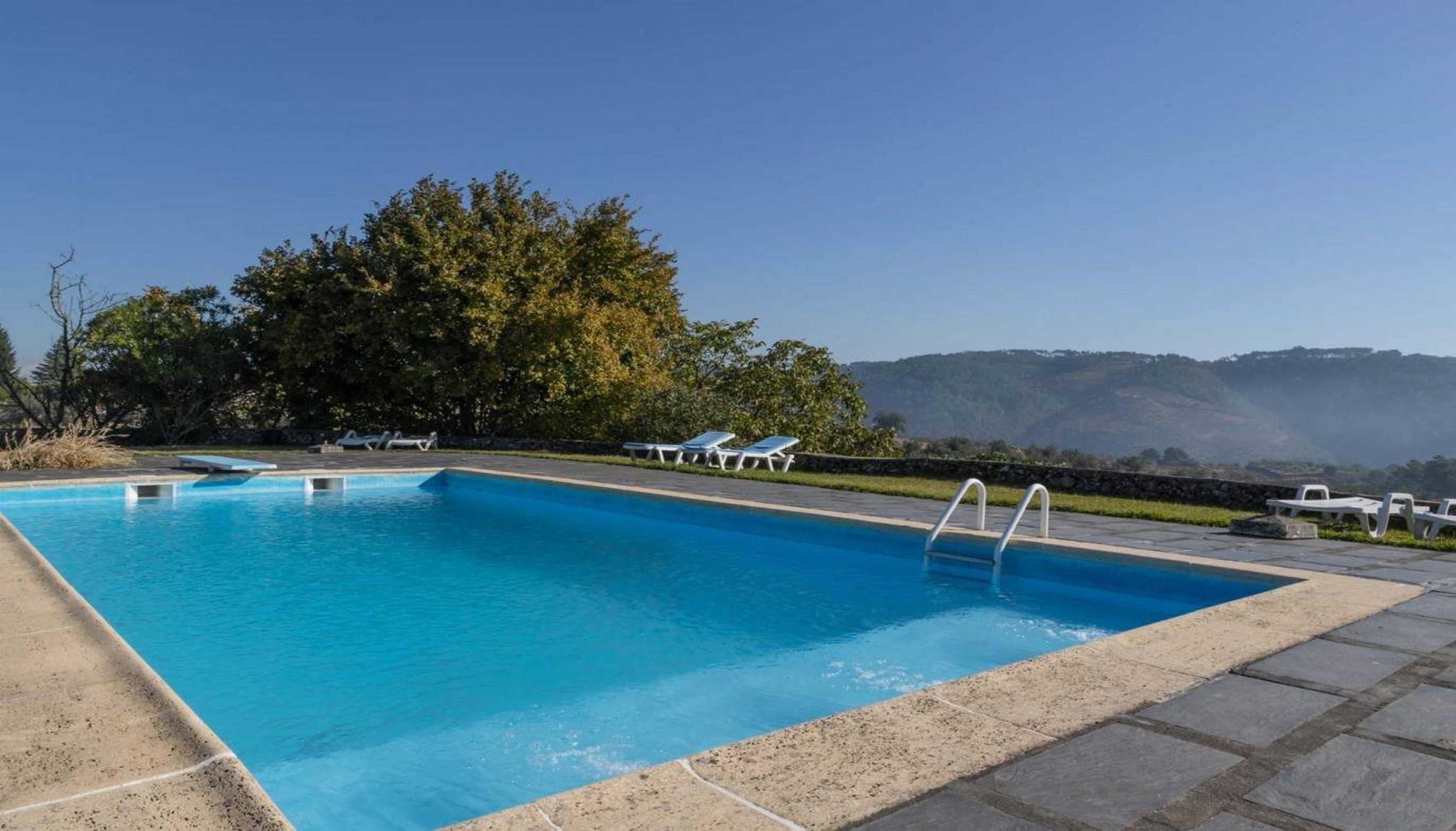
The figures help explain why. In 2025, Portugal exported 341 million litres of wine, worth €954 million, reaching a new historic high in volume, according to the Instituto da Vinha e do Vinho. In the same year, 726 million litres of wine were placed on the market. We are not speaking, therefore, of a romantic and marginal niche, but of a mature, internationalised sector with consolidated demand in external markets.
At the same time, national production in the 2025/2026 wine year totalled 5.9 million hectolitres, 14% less than in the previous year. The figure reminds us of an obvious truth that is sometimes forgotten amid the enthusiasm of the landscape: the vineyard is a real asset. It depends on climate, water, agricultural management, the age of the vines, existing wine stocks, labour and technical expertise.
Perhaps that is why good estates are increasingly valued. Not because they promise easy returns — an expression that, in the Douro, should be used with caution — but because they combine scarcity, authenticity and potential for appreciation. An old vineyard, a well-positioned house, a recoverable wine cellar, broad views over the river or a location close to good access routes cannot be mass-produced. And everything that cannot be mass-produced tends, in real estate, to acquire greater value.
There is another decisive factor: tourism. In 2025, Portugal recorded tourism revenues of €29.1 billion, 5% more than in 2024, with 32.5 million guests and 82.1 million overnight stays. These figures do not merely show that Portugal receives visitors; they show that the country has consolidated an economy of experience, hospitality and permanence.
This is where wine tourism becomes particularly relevant. According to Turismo de Portugal, wine tourism has played an important role in qualifying and diversifying the national tourism offer. Portugal led The Wine Lover’s Index in 2023 and 2024, and more than 80 projects have been supported since the launch of the Wine Tourism Action Programme, representing investment of over €94 million.
But it is important to distinguish potential from illusion. An estate in the Douro may be an extraordinary family residence, a second home, a small boutique hotel, a wine tourism project, a wine brand or a patrimonial asset for the next generation. But it is not, in principle, a passive investment. A vineyard does not manage itself. An old house does not preserve itself. And a wine cellar does not turn into a business simply because one would like it to.
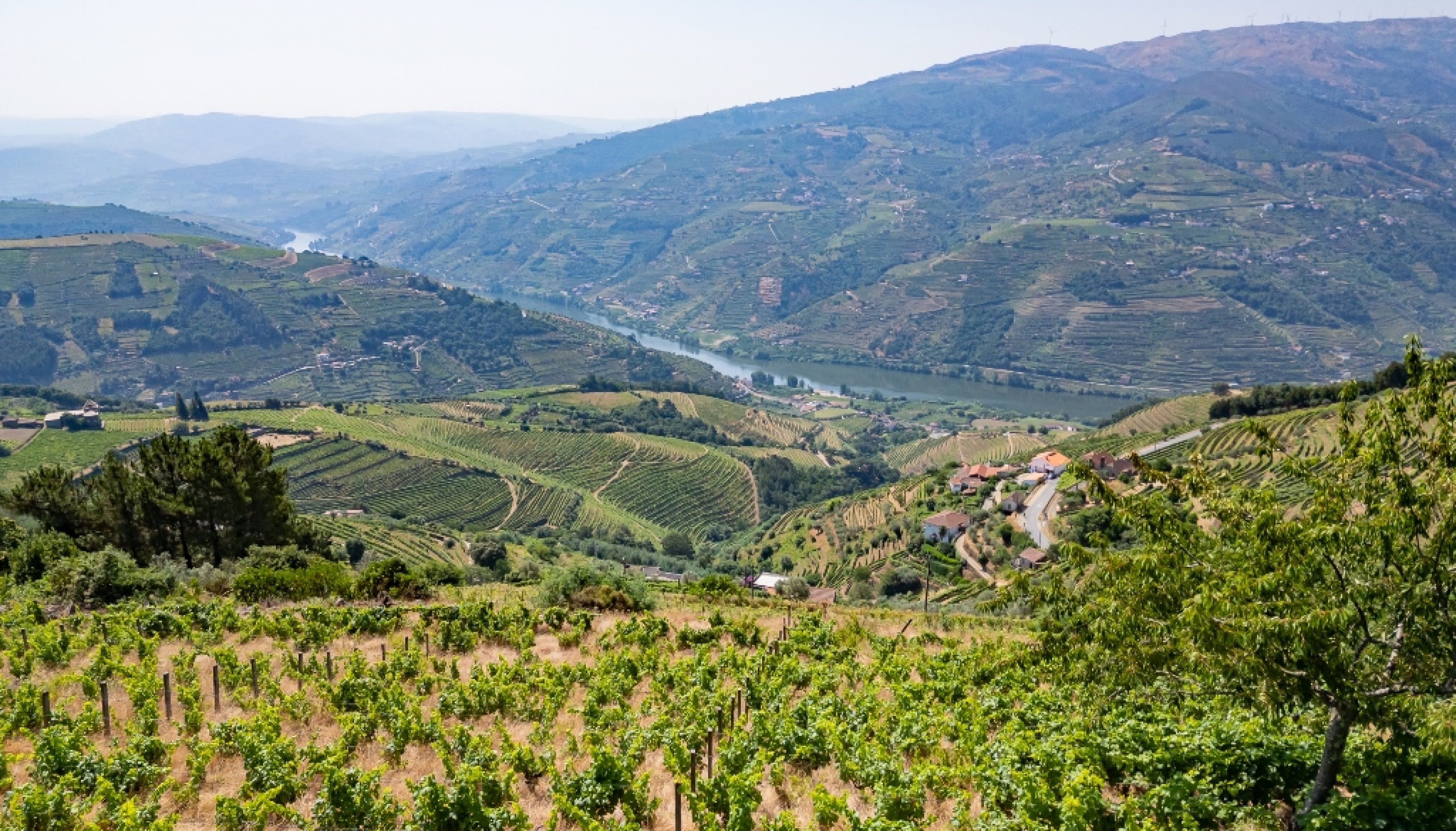
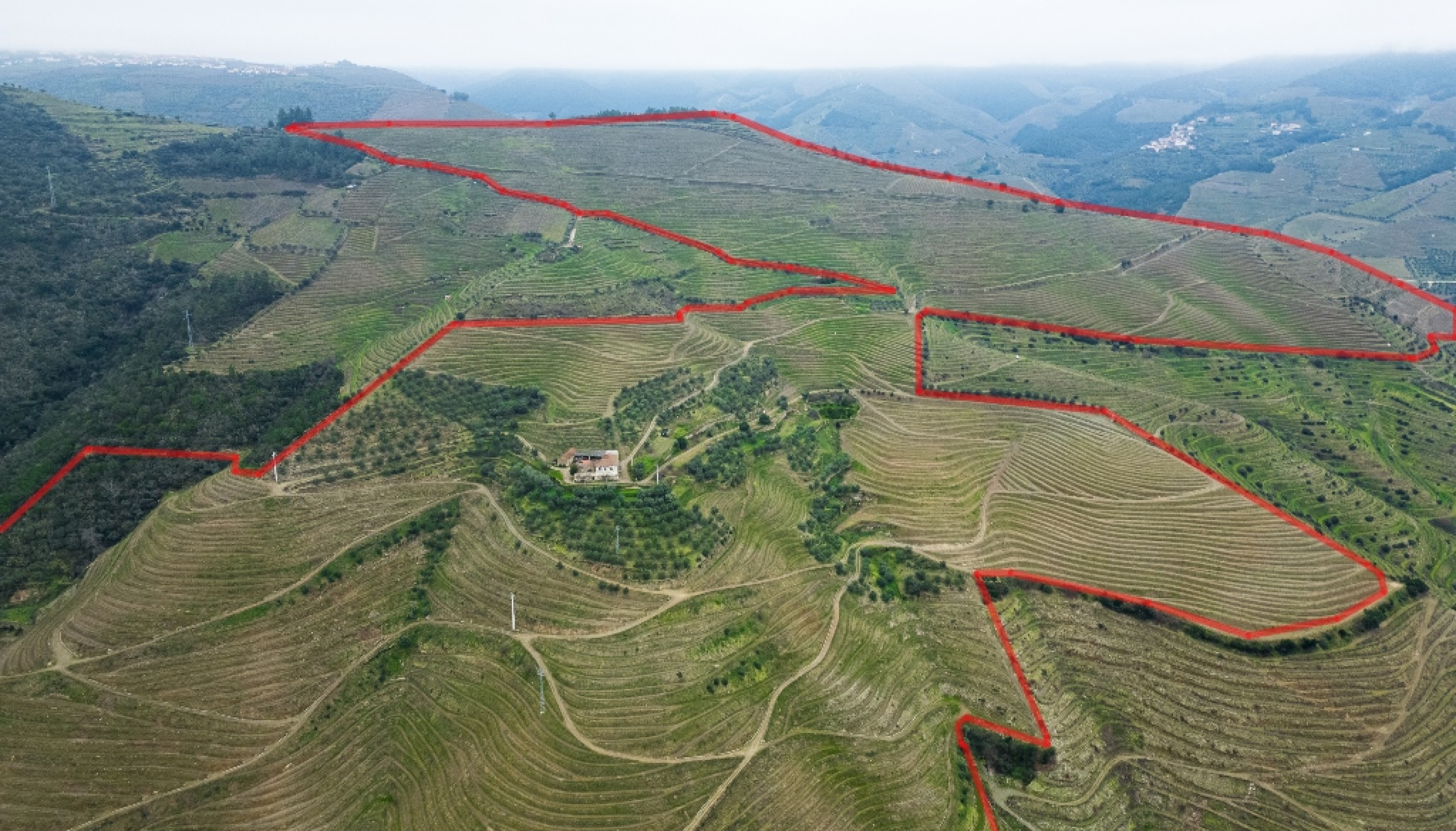
LS05290 - Wine estate for sale in the Demarcated Region, Douro Valley, Portugal
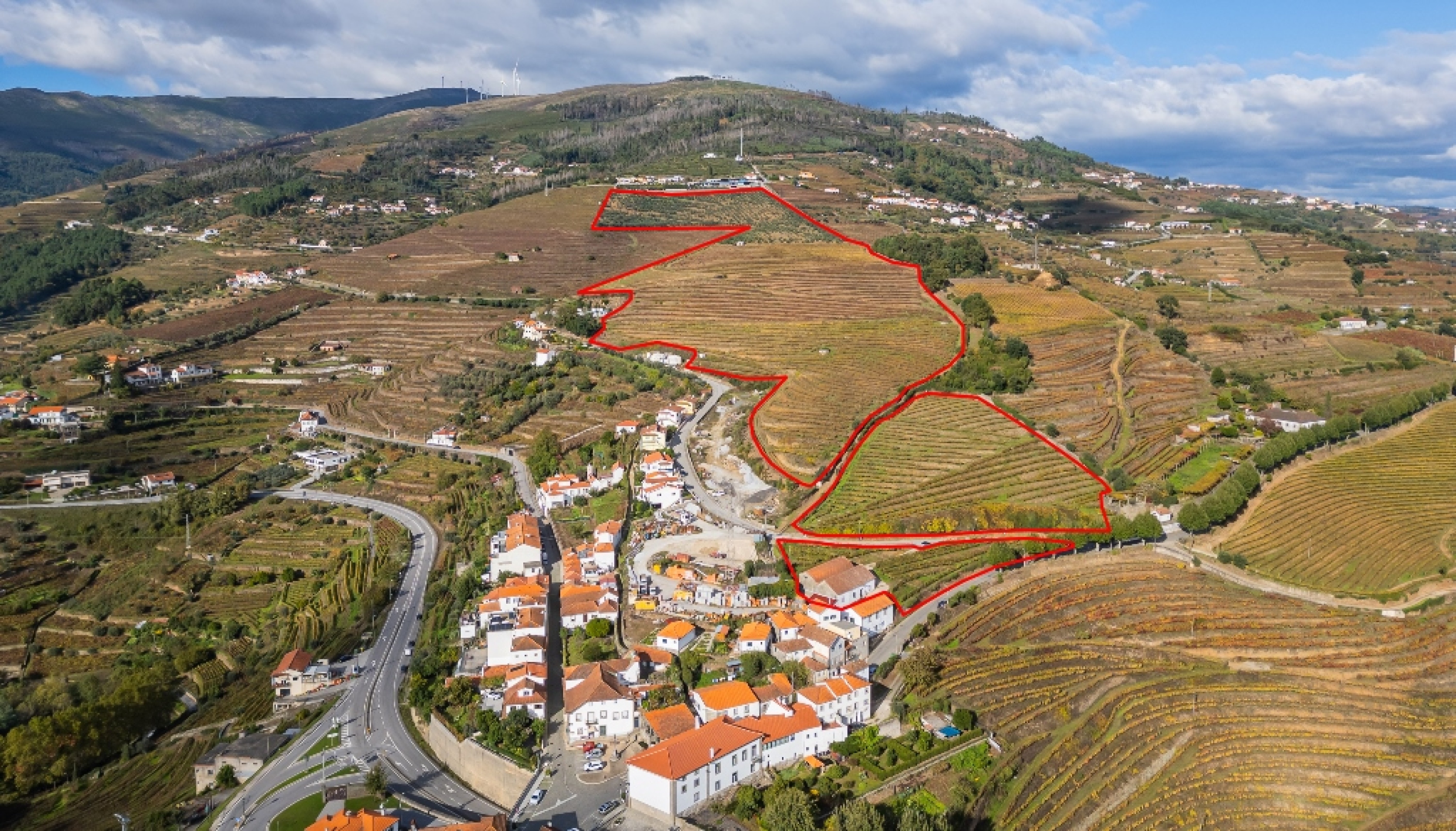
LS05490 - Wine estate for sale in Mesão Frio in the Douro Valley, Portugal
The prudent investor must look at several aspects before being definitively seduced by the view. The quality of access is essential, particularly where there is a tourism ambition. The condition of the vines, their age, the grape varieties planted and the property’s position within the demarcated region can all make a difference. The existence of water, sun exposure, the possibility of mechanisation, the state of the walls and terraces, urban planning licences and the viability of converting agricultural buildings are all essential points.
Then there are the grape varieties, which in the Douro are not a detail, but substance. Here too there is a real estate reading. An estate with well-maintained vineyards, relevant grape varieties, a registered brand or the potential for its own bottling has a different nature from a merely scenic property. The value lies not only in the land, but in what the land can produce.
Portugal also has a rare cultural advantage: it is a country where wine remains part of the table. In 2024, the OIV placed Portugal at the top of per capita wine consumption among the main consuming countries, with 61.1 litres per person aged over 15. We are not only producers. We are also connoisseurs, consumers and natural ambassadors of our own wine culture.
In the high-end real estate market, this connection between territory, product and lifestyle is increasingly relevant. The most demanding buyer is now looking for something more difficult to replicate: authenticity, privacy, a sense of place and the possibility of creating a project with meaning.
A vineyard estate in the Douro responds precisely to that demand. It is close enough to Porto not to feel remote, yet far enough away to offer another rhythm of life. It may suit those looking for a family residence outside the city, those seeking a second home with patrimonial value, those wishing to invest in quality tourism or those aiming to diversify their wealth through real, tangible assets associated with a strong territorial brand.
It is precisely in this context that Vineyards by Christie’s, developed by LUXIMOS Christie’s International Real Estate, becomes particularly relevant. More than simply presenting vineyard properties, it supports buyers and investors in the assessment of wine-producing assets in Portugal, bringing together real estate, heritage, agricultural and tourism criteria. From location to vineyard quality, from production potential to the possibility of conversion into wine tourism, this is a segment that requires specialist knowledge, discretion and a clear understanding of long-term value.
It is not an investment for everyone. Fortunately. If it were, it would lose part of its charm and almost all of its value. It requires knowledge, professional guidance and serious evaluation. But when the right property brings together location, vineyard, house, tourism potential, legal framework and identity, it becomes much more than a real estate purchase. It becomes a way of building heritage.
So yes, let us raise a glass to Portuguese vineyard estates, especially those of the Douro. Not only for the wine they produce, nor only for the beauty they offer. But because they represent one of the most complete forms of real estate investment in Portugal: land, home, culture, tourism, production and heritage.
After all, buying a vineyard estate in the Douro is not merely acquiring hectares, vines or river views. It is entering a territory where time has value, where the landscape works in favour of the property, and where each harvest recalls an old truth: the best investments, like the finest wines, are rarely made in haste.
Related Article: A wine love affair
Opinion article published on the real estate portal Casa Yes on 13 May 2026.

