


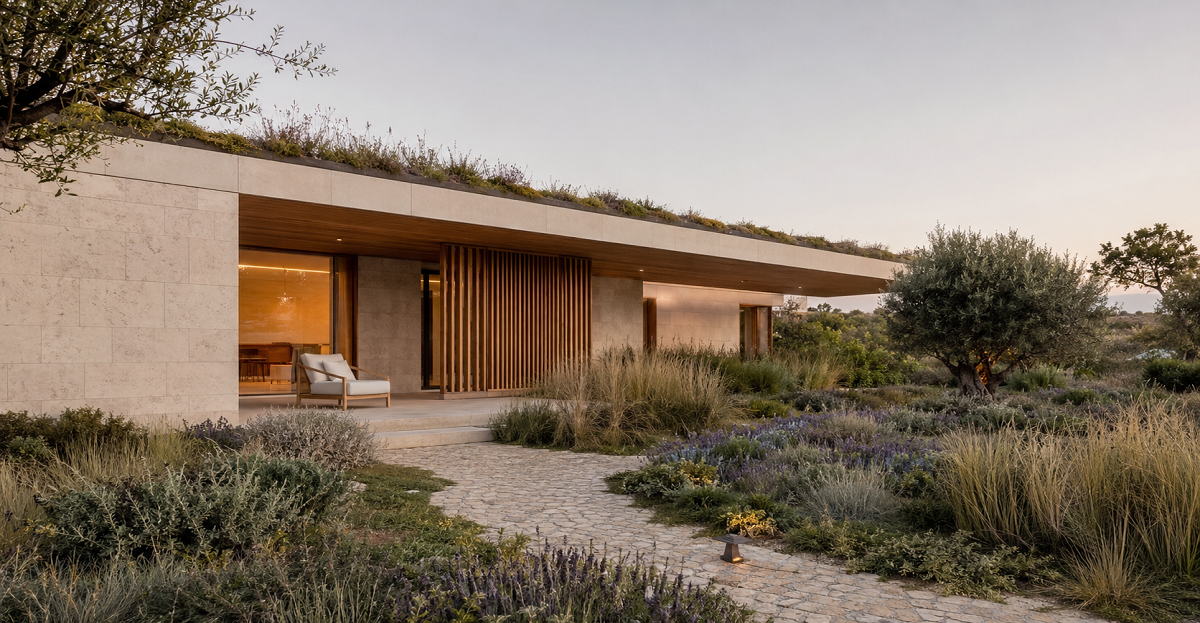
A home can cost millions of euros and still not be a good home.
It may have extraordinary views, a show-stopping pool and a kitchen that looks flawless in photographs. But if it is cold in winter, unbearably hot in summer, noisy or difficult to maintain, the price does not solve the problem. It simply makes it harder to justify.
For a long time, luxury property was largely about what met the eye: the façade, the size of the living room, the natural stone, the brands behind the appliances, the private lift and the photograph taken from precisely the right angle. All of this still matters. It would be naïve to pretend otherwise. Beauty sells, location remains decisive and architecture is still one of the most powerful ways to create desire.
The question is not whether every energy-efficient home will automatically command a price premium. The market is not that straightforward. What matters is recognising that technically outdated properties are likely to face increasing penalties as buyers become more demanding and regulations more stringent.
A poorly performing home can still be sold. But it comes with higher running costs, future renovation work and less scope to adapt. In competitive markets, that difference eventually becomes visible: in the asking price, the room for negotiation or the time it takes to find a buyer.
Europe has already acknowledged that this is far from a secondary issue. Buildings account for around 40% of the energy consumed in the European Union, while approximately three quarters have energy performance that is considered inadequate. The revised Energy Performance of Buildings Directive sets a course towards a decarbonised building stock by 2050 and strengthens requirements relating to renovation, emissions, solar energy, electric mobility and environmental impact across a building’s entire life cycle. (European Commission)
These rules will not remain confined to offices in Brussels. They will influence how properties are built, renovated, certified, financed, insured and valued. Above all, they will make the difference between a future-ready home and one that is merely well presented far more visible.
In this context, sustainability ceases to be a statement of good intentions and becomes a matter of safeguarding asset value.
Related article > Generational Wealth: Real Estate as a Living Legacy
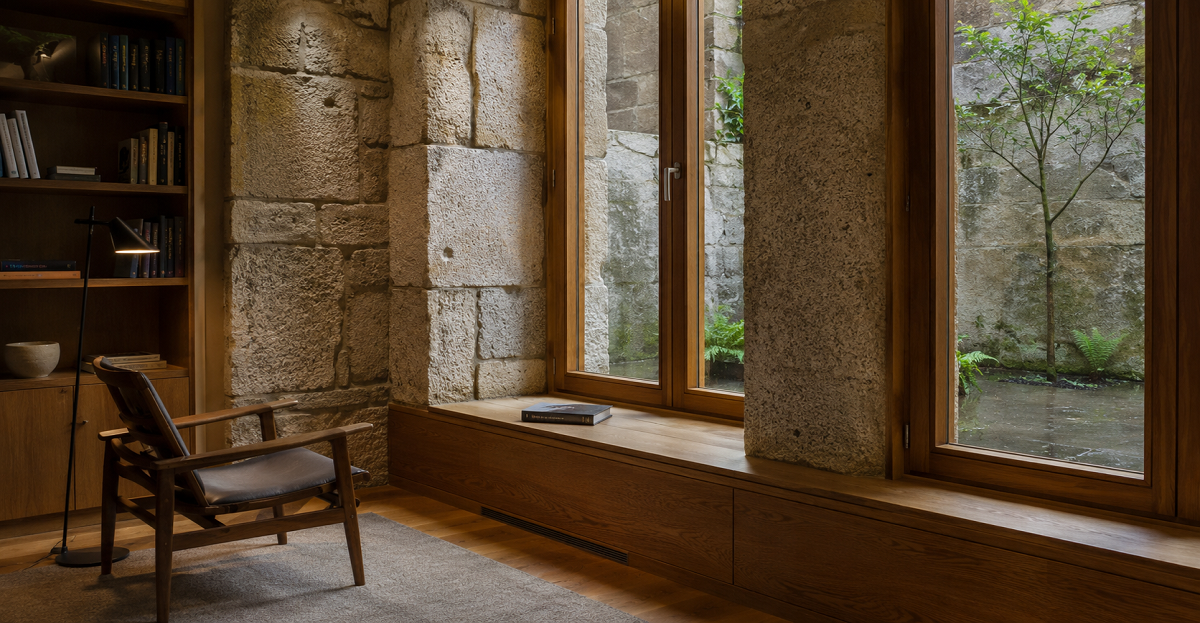
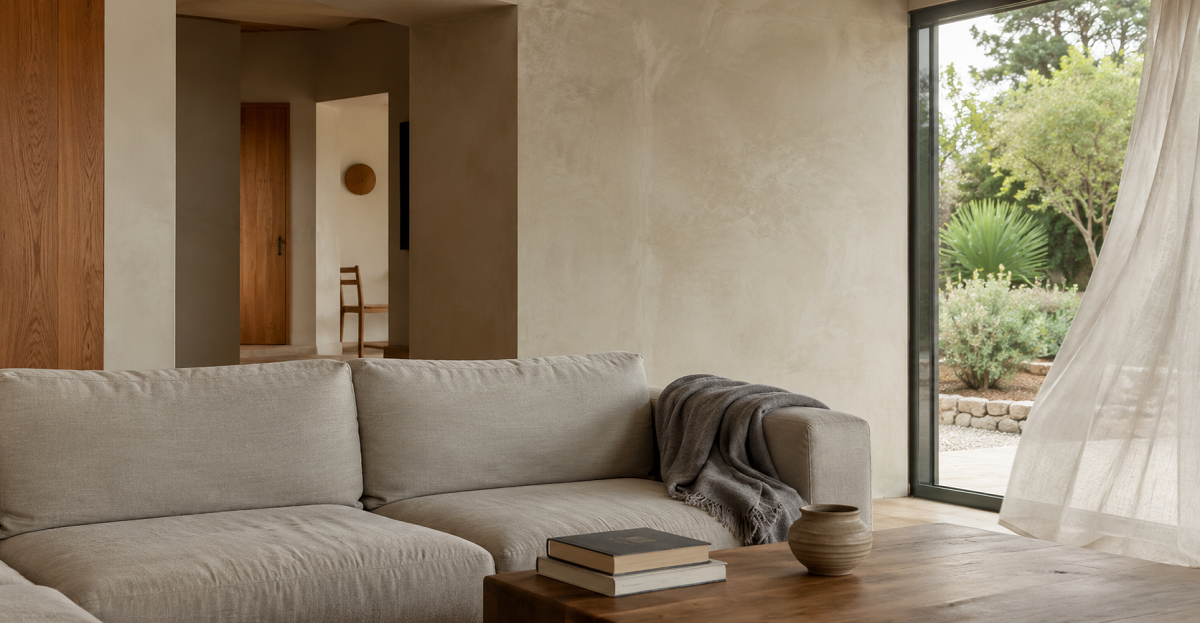
An efficient home offers greater comfort, lowers running costs and carries less risk of becoming technically obsolete. Between two comparable properties in similar locations and with equivalent architectural quality, the one with better performance and lower maintenance requirements is likely to hold its ground more effectively in negotiations and retain greater appeal when it returns to the market.
Better-informed buyers have already recognised this shift. They want to know how a home performs throughout the year, how much it costs to run, how well it is insulated and ventilated, how solar gain is controlled and whether its technical systems will still be fit for purpose in ten or fifteen years’ time.
They ask about the quality of the glazing, acoustic comfort, on-site energy generation and storage, water management, electric vehicle charging and maintenance planning. Not because they have suddenly developed a passion for technical specifications, but because they understand that a good home can also be measured by the number of problems it prevents.
This attention to detail is particularly apparent in the international prime market. Buyers investing significant sums in property want predictability. They need to know whether the home will stand the test of time, remain attractive on the resale market and avoid becoming technically outdated long before it loses its visual appeal.
There is an important distinction to be made: efficiency does not mean austerity. No one buys a multimillion-euro villa to live with limitations. What buyers expect is for resources to be used intelligently and for comfort to be embedded in the original design.
A home that relies on climate-control systems running constantly to compensate for poor orientation or an inadequate building envelope is not technologically advanced. It is a home in which technology is being used to correct a failure of architecture.
True luxury should not require machines to work around the clock to make comfortable what the design itself failed to resolve.
Some very expensive homes are technically poor, just as some relatively understated properties deliver exceptional performance. The difference is rarely evident during a twenty-minute viewing. It emerges later, in the stable temperature, the quiet, the air quality, the absence of condensation, the carefully managed natural light and an energy bill that remains within the bounds of common sense. That is what I mean by quiet luxury.
It is not a form of luxury that photographs easily. You feel it on an August afternoon, when the house remains comfortable without every blind being closed, or on a winter evening, when there are no draughts around the windows. It is the luxury of realising that someone thought about the home before thinking about the brochure.
Portugal has an opportunity here, but also a longstanding weakness.
We have a favourable climate, exceptional natural light, talented architects, an enviable quality of life and consistent international demand. At the same time, we have spent decades accepting homes that are cold in winter, hot in summer, poorly insulated and inadequately ventilated. We have often built as though thermal comfort were an optional extra rather than a basic requirement.
The OECD highlighted this reality once again in its 2026 Economic Survey of Portugal. Around three quarters of Portuguese buildings were constructed before energy-efficiency standards were introduced in 1990. The organisation also estimates that Portugal would need to renovate approximately 228,000 homes a year until 2050 to upgrade the building stock constructed before more recent requirements came into force. (OECD)
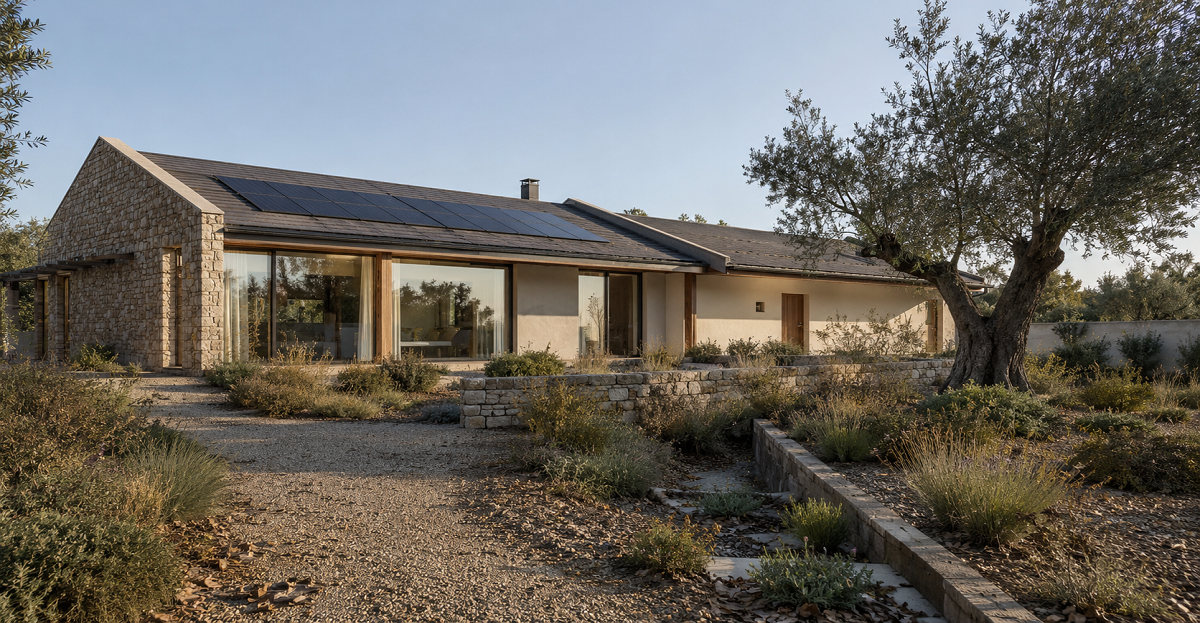
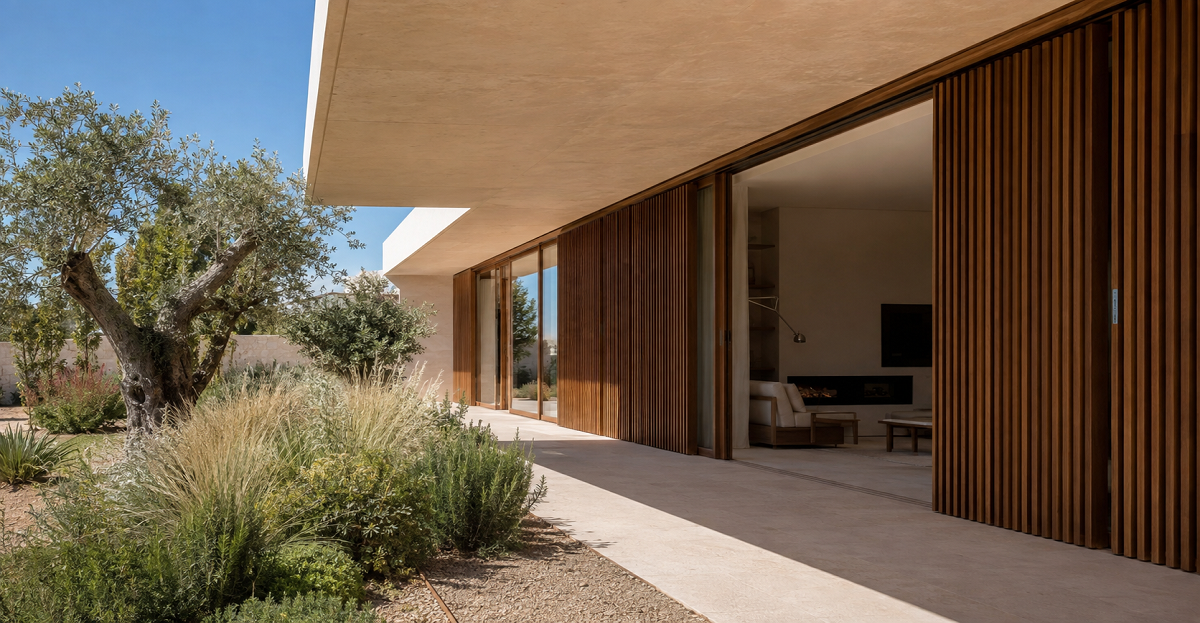
These figures tell us two things. First, Portugal faces an enormous renovation challenge. Second, new or extensively renovated properties with genuine technical quality will enjoy an increasingly recognisable advantage.
We also need to change the way we think about climate. In Portugal, energy efficiency is still discussed mainly in relation to cold weather, yet cooling will become an increasingly important concern. Heatwaves are becoming more frequent and demand for climate control is expected to rise. This means paying closer attention to building orientation, shading, cross-ventilation, vegetation, water availability and the materials used.
In the Algarve, an expansive glass façade without adequate solar protection may look magnificent at sunset but become a problem for much of the day. In Porto, an aesthetically impeccable renovation may still fail if it does not address humidity, ventilation and acoustic comfort. In the Douro, temperature variations and water management demand solutions of their own.
A future-ready home cannot, therefore, follow the same formula from north to south. It has to respond to the place in which it is built.
Installing solar panels on the roof does not, in itself, make a property sustainable. A good home is the result of a coherent system: siting, orientation, architecture, construction, equipment, management and maintenance. When one of these elements fails, the others spend their time trying to compensate.
The Portuguese market also needs to be more rigorous in the way it communicates these attributes. Sustainability is still too often sold through words such as “eco”, “green”, “natural” or “integrated into the landscape”, usually accompanied by pale timber, a few olive trees and an infinity pool. But an olive tree beside a swimming pool is not a certificate of environmental quality.
Buyers should be able to understand the construction solutions, the quality of the window frames and glazing, the efficiency of the equipment, foreseeable running costs, water and energy management systems, warranties and maintenance plans. A prime home cannot be a technical black box.
Those who develop and market these properties also have a responsibility. Presenting floor areas, finishes and views is not enough. They must be able to explain how the home works, how it was built and why it will remain a sound asset in the years ahead.
I have observed that experienced international buyers are arriving in Portugal increasingly alert to these issues. Many come from markets where energy performance, running costs and resilience to climate change already form part of the normal assessment of a property purchase.
They may be looking for a balcony overlooking the Atlantic, an estate in the Douro or a villa in the Algarve, but they also want to know what lies beyond the view. They still buy with emotion, naturally, but now validate that decision with more information.
This is a healthy development. It challenges developers, architects, builders and estate agents to raise the quality of both the product and the advice they provide. It also helps Portugal compete with Europe’s leading residential destinations on what truly matters: the quality of its homes, not merely the appeal of the country itself.
Related article > Smart homes: the revolution of intelligent homes
Opinion article published on the Casa Yes property portal on 9 September 2026

